How to Identify and Fix Common Roof Ventilation Problems
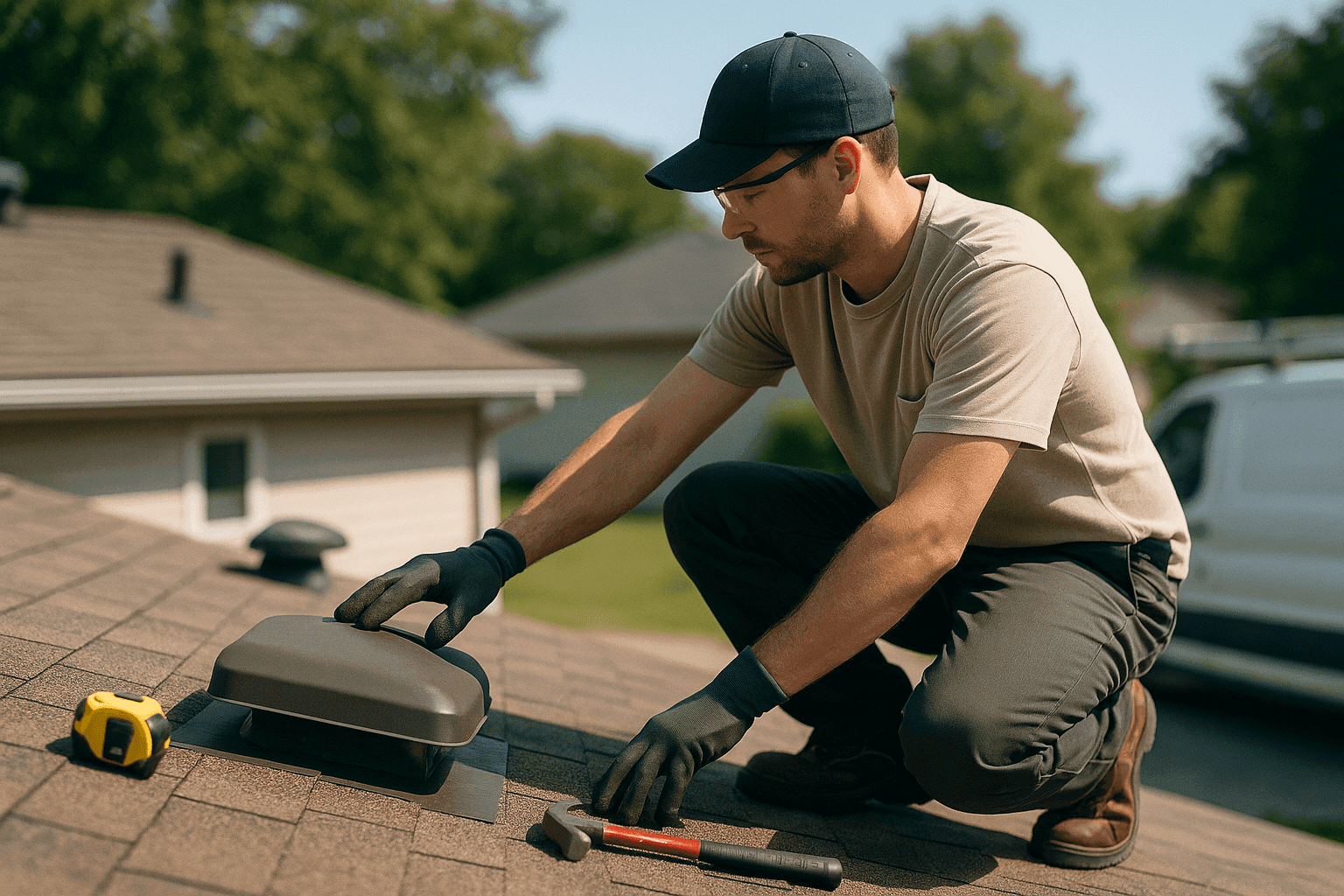
A stuffy attic. Damp corners. That odd musty smell you can’t quite place. If you’re a homeowner or run a small business, roof ventilation problems can sneak up on you—fast. Left unchecked, they turn minor annoyances into major headaches.
At Front Line Roofers, we see it all the time: warped shingles, icy gutters, and even mold, all because air isn’t moving like it should. The good news? You can spot the warning signs early and take action before things spiral. Let’s break down what to look for, how to fix it, and when it’s time to call emergency roofing professionals.
Why Roof Ventilation Matters 🌀
Think of your roof like a set of lungs for your building. Proper ventilation lets your home or business "breathe." When air flows freely, heat and moisture escape, keeping your attic dry and your energy bills lower.
But block that airflow, and trouble brews. Here’s why ventilation is a big deal:
- Prevents mold and mildew: Moisture trapped in the attic is the perfect recipe for mold. The Centers for Disease Control and Prevention (CDC) warns that mold can damage building materials and affect your health.
- Stops ice dams: In cold climates, warm attics melt snow on the roof. That water refreezes at the edges, creating heavy ice dams that can tear up shingles and gutters.
- Extends your roof’s life: Heat and humidity cook your shingles from the inside out, causing them to warp, curl, or crack long before their time.
- Improves energy efficiency: Poor ventilation means your HVAC works overtime, driving up costs and wearing out equipment.
If your attic feels like a sauna in summer or a freezer in winter, it’s time to take a closer look at your roof’s airflow.
Common Signs of Ventilation Problems
How do you know if your roof is struggling to breathe? Watch for these red flags:
- Uneven attic temperatures: Hot spots or cold corners can signal blocked vents.
- Moisture buildup: Damp insulation, water stains, or rusty nails in the attic are telltale signs.
- Visible mold or mildew: Dark patches on wood or insulation are never a good sign.
- Peeling paint or warped shingles: Excess heat and moisture can cause exterior damage.
- Ice dams in winter: Thick ridges of ice along your eaves often point to poor ventilation.
- Musty odors: That basement smell in your attic means moisture is hanging around.
Catch these early, and you’ll save yourself a world of hassle (and expense) down the line.
Inspecting Your Roof Ventilation
You don’t need a contractor’s license to check your attic. Here’s how you can safely spot problems:
- Pop your head into the attic: On a hot day, is it much warmer than outside? In winter, does it feel damp or chilly?
- Look for daylight: You should see slivers of light through soffit or ridge vents—if not, they could be blocked.
- Check for moisture: Touch the insulation. If it’s damp, you’ve got a problem.
- Inspect vents outside: Are they clogged with leaves, nests, or debris?
- Smell the air: Musty, stale air is a red flag for trapped moisture.
Always follow safety steps—wear a mask, gloves, and use a sturdy ladder. If you’re not comfortable, don’t risk it.
DIY Fixes vs. Professional Repairs
Some ventilation fixes are simple. Others need a professional touch, especially when safety or structure is at stake.
DIY fixes you can try:
- Clear vent openings: Remove leaves, dust, or nests from soffit and ridge vents.
- Install attic fans: Plug-in fans can boost airflow if your attic feels stuffy.
- Add insulation: Lay new insulation to keep temperatures stable (but don’t block vents).
When to call Front Line Roofers:
- Adding new vents: Cutting into your roof or soffit is best left to pros.
- Major mold or water damage: Large patches of mold or wet insulation need expert attention.
- Structural issues: Sagging rafters or rotten decking are signs of deeper problems.
- Persistent leaks: If water keeps coming back, there’s likely more going on than meets the eye.
Remember, safety first. If you’re ever in doubt, don’t climb up—pick up the phone.
Preventing Future Ventilation Issues
An ounce of prevention is worth a pound of repair. Here’s how to keep your roof in top shape:
- Schedule regular inspections: Aim for twice a year, especially after storms.
- Keep vents clear: Check for blockages every season.
- Upgrade insulation: The U.S. Department of Energy recommends proper attic insulation to prevent heat transfer.
- Seal air leaks: Caulk or weatherstrip around attic hatches, pipes, and ducts.
- Install balanced ventilation: Combine soffit (intake) and ridge (exhaust) vents for smooth airflow.
Pro tip: Don’t forget about eco-friendly options. Solar-powered attic fans and recycled insulation materials can boost performance and shrink your carbon footprint.
Quick Safety Checklist
- Wear gloves, a mask, and protective eyewear.
- Use a stable ladder with someone nearby.
- Never walk on wet or icy roofs.
- Avoid electrical wires and exposed nails.
- If you see mold, leave large cleanups to professionals.
DIY Fixes vs. Professional Repairs
It’s tempting to tackle everything with a trip to the hardware store. But some jobs—like adding new vents or repairing roof decking—require special tools and know-how. If you’re unsure, or if the problem is widespread, calling a professional can save time, money, and headaches.
What Pros Do On Arrival
When Front Line Roofers shows up, here’s what you can expect:
- Thorough inspection: We check attic spaces, roof surfaces, and ventilation systems inside and out.
- Moisture and mold assessment: Using moisture meters and visual checks, we find hidden trouble spots.
- Ventilation plan: We recommend the right mix of intake and exhaust vents for your roof type.
- Safe, efficient repairs: Our team uses industry-standard practices and follows Occupational Safety and Health Administration (OSHA) safety guidelines.
- Cleanup and prevention: We remove debris, replace damaged materials, and offer tips for future maintenance.
Preventing Future Ventilation Issues
Staying ahead of problems is easier—and cheaper—than fixing them after the fact. Here’s what you can do:
- Keep gutters and downspouts clear: Clogged gutters trap water, which can seep into your attic.
- Trim overhanging branches: Shade is great, but too much can encourage moss and block vents.
- Check after storms: High winds and flying debris can damage vents and shingles.
- Monitor attic humidity: A simple hygrometer can alert you to rising moisture levels.
Costs & Time Factors
Ventilation repairs range from quick DIY fixes to more involved professional work. Here’s what to expect:
- DIY cleaning: Clearing vents and adding insulation can take an afternoon and cost little.
- Pro installation: Adding soffit or ridge vents, or replacing damaged decking, may take a day or two.
- Mold remediation: Large-scale cleanups can stretch longer—especially if structural repairs are needed.
Remember, investing in good ventilation now can save thousands in future roof or interior repairs.
When It’s an Emergency
If you spot water pouring in, sagging ceilings, or strong mold odors, don’t wait. These are signs your roof needs immediate attention. Emergency roofing services—like those from Front Line Roofers—can stop leaks, prevent further damage, and keep your property safe.
FAQ
How often should I check my attic ventilation?
Twice a year—ideally in spring and fall. Always after major storms.
Can poor ventilation really cause roof leaks?
Yes. Trapped moisture can rot wood, rust nails, and create pathways for water to enter.
Is adding more vents always better?
Not always. Too many vents can disrupt airflow. Balance is key—intake and exhaust should match.
Are eco-friendly ventilation options effective?
Absolutely! Solar attic fans and recycled insulation can boost performance and lower energy use.
Special Considerations for This Service
Every property is unique. Flat roofs, metal systems, and older homes may have special needs. Commercial buildings often require larger, balanced ventilation systems. If you’re unsure what’s right for your roof, a professional inspection is the safest bet.
Don’t wait for small problems to become big ones. Call Front Line Roofers now — or reach us anytime at 877-978-3339 . Let’s keep your roof breathing easy.