Roof Maintenance Checklist: Prevent Costly Repairs Year-Round
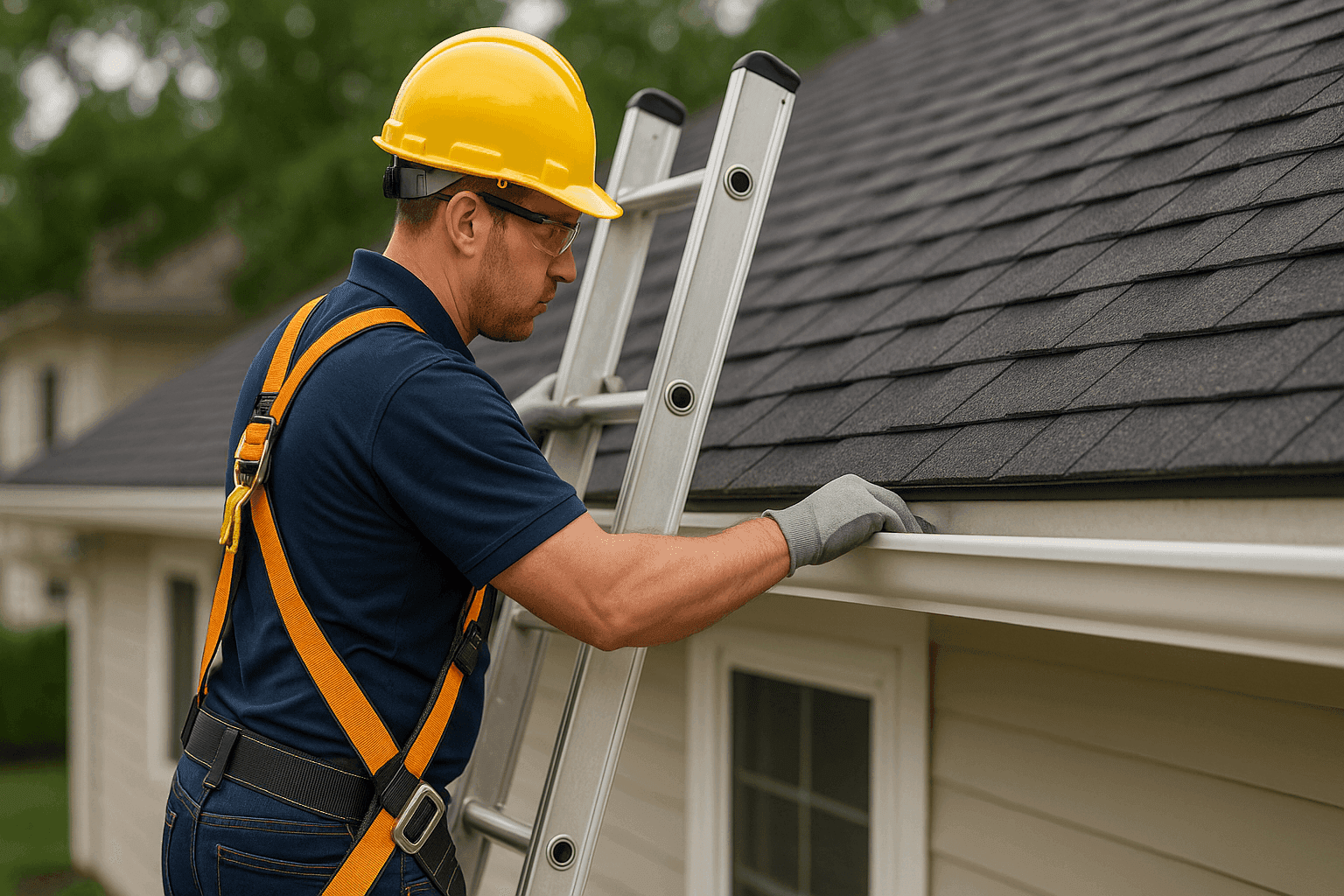
Your roof stands guard 24/7. Wind, rain, hail, snow, and blazing sun—no break, no time off. But even the toughest shield needs a helping hand. Missed maintenance is like ignoring a slow leak under the sink. It’s quiet, but the damage builds.
Whether you own a home or manage a commercial space, small steps today prevent big headaches tomorrow. With Frontline Roofers, you get practical, real-world guidance for every season. No fluff. No empty promises. Just actionable advice from a team that’s handled every leak, storm, and emergency roofing call imaginable.
Monthly and Seasonal Roof Inspections 🕵️
Routine inspections are your roof's early-warning system. Imagine catching a loose shingle or cracked skylight before a storm turns it into a waterfall in your living room. Quick checks, done regularly, save money and extend your roof’s life.
Monthly Checklist:
- Walk your property. Check for missing, cracked, or curling shingles.
- Inspect skylights for condensation, cracks, or leaks (think “Skylight Repair near you”).
- Look for rust, loose screws, or lifted seams on metal roofs.
- Spot-check gutters, downspouts, and flat roof surfaces for standing water.
- Peek at flashing around chimneys, vents, and valleys for signs of separation or rust.
Seasonal Must-Dos:
- Spring: Look for winter damage—ice dams, popped nails, and split shingles.
- Summer: Scan for UV damage (faded, brittle materials) and ensure ventilation is clear.
- Fall: Clean out gutters and downspouts before leaves pile up.
- Winter: Check for ice buildup and clear snow from flat or low-slope roofs when possible.
Pro tip: Always check after major storms or wind events. Even if you don’t spot damage right away, hidden issues can show up weeks later.
Cleaning Gutters and Downspouts
Clogged gutters are like blocked arteries. Water backs up, spills over, and erodes foundations. Worse, trapped moisture invites rot and mold.
What to do:
- Wear gloves and scoop out leaves and debris at least twice a year.
- Flush gutters and downspouts with a hose. Watch for slow drainage, which could signal a clog.
- Check seams and fasteners—loose gutters can pull away under weight.
- Look for rust or holes and patch immediately.
Special note for commercial properties: Flat roofs with internal drains need even more attention. Pooled water leads to leaks, especially in buildings with heavy HVAC units on the roof.
Identifying Early Signs of Damage 🔍
Early warning signs are your roof’s way of waving a red flag. Ignore them, and you’re rolling the dice with leaks, mold, or worse—structural damage.
Common Red Flags:
- Ceiling stains: Water marks inside mean water’s already made it past your defenses.
- Moss or algae: Traps moisture, leading to rot or shingle decay.
- Loose flashing: Tiny gaps let in water, especially around chimneys and vent pipes.
- Sagging roof deck: Indicates water damage or compromised structure.
- Granules in gutters: Asphalt shingles shed with age or after hail.
Listen for:
- Dripping sounds during rain
- Unusual drafts or hot spots inside (signals insulation or ventilation issues)
- Musty smells in the attic
If you catch these early, repairs are minor. Wait, and you could be looking at emergency roofing instead of routine maintenance.
Professional Maintenance vs. DIY Care 🛠️
Some tasks are safe for a confident DIYer. Others—especially those involving heights, electrical, or structural repairs—belong in professional hands. Your safety comes first, always.
Safe DIY Tasks:
- Clearing leaves from gutters (ladder safety first! See OSHA’s ladder safety guidelines).
- Visual checks from the ground with binoculars.
- Tightening visible gutter brackets or downspout straps.
- Removing debris from flat roofs.
Leave to the Pros:
- Skylight repair, installation, or resealing
- Chimney flashing and cap services
- Structural repairs or decking replacement
- Leak tracing and moisture mapping
- Roof inspections after hail, wind, or tree impact
Why call Frontline Roofers? We bring years of experience, specialized tools, and a trained eye. Sometimes what looks minor from the ground is a major issue up close. Plus, our team is equipped for emergency roofing scenarios 24/7—so you don’t have to risk your neck or guess at repairs.
Cleaning Gutters and Downspouts
Clogged gutters and downspouts can turn a sprinkle into a flood. Overflowing water damages siding, foundations, and the roof edge.
Checklist:
- Remove debris by hand or with a scoop.
- Flush the system with a garden hose (watch water flow at ground level).
- Check for leaks at joints and corners—seal with appropriate caulk or replace damaged sections.
- Secure loose fasteners.
- For multi-story buildings, always use stabilizing ladder equipment or call for professional help.
Identifying Early Signs of Damage
Catch issues before they snowball. Look for:
- Dark streaks or spots on ceilings (leak alert)
- Blistered or peeling paint under eaves (moisture buildup)
- Cracked caulk or sealant at flashing points
- Exposed nails or screws on shingles or metal panels
Regular checks mean small fixes, not big bills. The National Roofing Contractors Association recommends inspecting twice annually, plus after severe weather.
Professional Maintenance vs. DIY Care
It’s tempting to handle everything yourself—but safety and expertise matter. Professionals have infrared cameras, moisture meters, and years of experience spotting hidden damage.
Benefits of Professional Maintenance:
- Early detection of leaks and weak spots
- Correct installation of sealants and coatings
- Safe removal of roof debris and inspection of high-risk areas
- Compliance with local building codes and insurance requirements
If you’re unsure, always err on the side of caution. A short call to emergency roofing services saves hours—and dollars—down the line.
Preparing Your Roof for Storms and Freezes 🌧️
Nature doesn’t call ahead. Storms and cold snaps test every seam, shingle, and seal.
Storm Prep Checklist:
- Secure loose shingles or tiles.
- Check and reinforce flashing around chimneys, skylights, and vent pipes.
- Clear gutters and downspouts—allow water to flow freely.
- Trim overhanging branches that could fall in high winds.
- For flat roofs, remove loose objects and ensure drains are clear.
Winter Readiness:
- Insulate attics to prevent ice dams.
- Check for signs of condensation or frost in attic spaces.
- Install heated cables if your region is prone to ice buildup.
- After snow, clear drifts from flat or low-slope roofs where safe to do so.
When to Call for Emergency Roofing
Some problems can’t wait. Call for immediate help if you notice:
- Active leaks during heavy rain
- Sudden sagging or collapse
- Tree limbs or debris through the roof
- Major flashing failure, especially after storms
- Multiple missing shingles or tiles after high winds
Frontline Roofers responds 24/7 to keep your business or home secure, no matter the hour.
FAQ
How often should I inspect my roof?
Twice a year (spring and fall), plus after major storms or heavy winds.
Can I walk on my roof to inspect it?
For safety, avoid walking on your roof unless absolutely necessary. Inspect from the ground or call for a professional roof inspection.
What’s the most common cause of roof leaks?
Flashing failure, clogged gutters, and missing shingles are the usual suspects.
Are there eco-friendly maintenance options?
Yes! Reflective coatings, recycled shingles, and improved insulation all help extend roof life and reduce energy costs.
Regional & Seasonal Considerations
Every climate brings unique challenges.
- Humid regions: Watch for moss and algae, which speed up decay.
- Wind-prone areas: Check for loose shingles, tiles, or panels after every storm.
- Snow zones: Stay on top of ice dam prevention and attic insulation.
- Hot, sunny climates: UV damage can dry out sealants and crack shingles—inspect more frequently in summer.
If you’re unsure what to watch for in your area, ask a local roofing professional—Frontline Roofers always tailors our advice to your specific needs.
Keep your roof strong, safe, and ready for anything. Whether you need routine maintenance, skylight repair near you, or emergency roofing services, we’re here to help—day or night.
Call Frontline Roofers now — or reach us anytime at 877-978-3339 .