Roof Replacement vs. Repair: How to Decide What’s Right for Your Property
When a leak stains the ceiling or shingles scatter in the wind, the question hits: repair or replace? For property owners, this isn’t just patching a hole. It’s weighing safety, cost, and the future of your investment—residential or commercial.
At Frontline Roofers, we’ve seen every scenario. We know the stress that comes with emergency roofing. Let’s break down when a repair makes sense, when a new roof is the smarter move, and how to get the most value for every dollar.
Signs Your Roof Needs Repair
Sometimes, a fix is all you need. Like patching a tire, the right repair can keep you rolling—if you catch the problem early.
Look for these telltale signs:
- A few missing or cracked shingles, but most are intact
- Isolated leaks, especially around skylights or vents
- Minor flashing or sealant failures (think chimney flashing or vent boots)
- Granule loss from shingles, but no widespread bald spots
- Moss or algae growth on the surface, not deep-rooted
- Small areas of rust or corrosion on metal roofs
For commercial properties, a flat roof might show bubbles or splits in the membrane. Residential owners may spot a drip after heavy rain. If the issue is limited—and the rest of the roof is solid—quick repair by a professional often extends its life.
But don’t ignore the little things. Even a tiny leak, left alone, can turn insulation to mush, rot decking, or invite mold. That’s why fast action matters.
When Roof Replacement Is the Better Choice 🏚️
At some point, every roof’s story ends. Patching won’t work if the bones are bad or the roof is simply too old.
Replacement is the better call when:
- The roof is near (or past) its expected lifespan (see below)
- There are multiple leaks or widespread water damage
- More than 25-30% of shingles/tiles are missing or damaged
- Sagging, soft spots, or structural issues are found in the decking
- Storms have caused extensive or hidden damage (not just cosmetic)
- Recurring repairs are eating into your budget
- Your roof doesn’t meet current safety or code standards
For commercial roofs, “alligatoring”—cracks and splits that look like reptile skin—signals it’s time. Residential roofs with curled, brittle, or cupped shingles are waving a red flag.
Think of an old roof like an expired helmet. A patch won’t protect you when the next storm hits. Replacement isn’t just about looks—it’s about safety and peace of mind.
Lifespan of Common Roofing Materials
- Asphalt Shingles: 15–25 years (standard), 30+ for architectural styles
- Metal Roofing: 40–70 years with proper care
- Tile Roofing: 50+ years, but underlayment may need earlier replacement
- Flat Roofs (EPDM, TPO, PVC): 15–30 years, depending on system and climate
These figures are averages. Severe weather, poor ventilation, or skipped maintenance can shorten any roof’s life.
Comparing Short-Term and Long-Term Costs
It’s tempting to pick the lowest-cost fix. But sometimes, that’s like taping up a cracked window—short-lived and risky.
Repair Pros:
- Lower upfront cost
- Minimal disruption
- Fast—especially for emergency roofing or storm damage
Repair Cons:
- May become a band-aid for deeper problems
- Repeated repairs add up fast
- Can void or complicate warranties if not handled correctly
Replacement Pros:
- Long-term solution—often with improved energy efficiency
- Meets current codes and safety standards
- Increases property value and curb appeal
Replacement Cons:
- Higher initial cost
- More time and planning needed
Tip: Weigh the cost of frequent repairs against the price of replacement. If you’re calling for help every season, a new roof might save you money and headaches down the road.
Risks of Delaying Roof Replacement
Waiting too long is risky. Water finds the smallest gap and turns it into a river. Here’s what’s at stake:
- Mold and mildew: Hidden leaks can fuel toxic growth in insulation and walls.
- Structural damage: Rotting decking, weakened trusses, and warped framing.
- Higher energy bills: Poor insulation and bad ventilation send comfort (and cash) out the window.
- Insurance headaches: Delayed action can void coverage or complicate claims.
- Safety hazards: Loose materials, weakened supports, or ice dams can lead to injury.
Prompt action keeps minor issues from spiraling into major repairs.
The Importance of Professional Roof Inspections
You wouldn’t diagnose your car’s engine with a flashlight and a guess. The same logic applies up top.
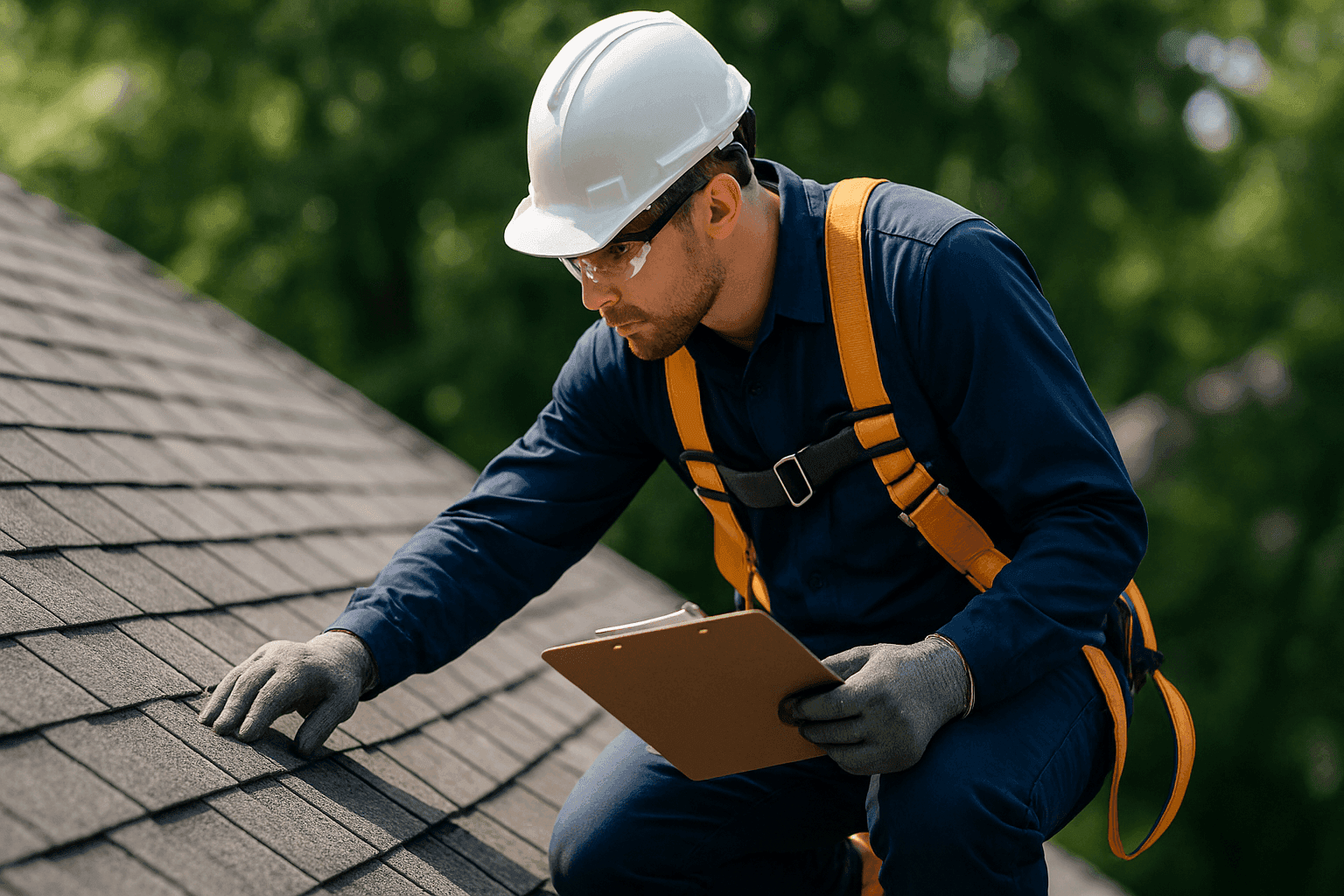
Professional inspections catch hidden problems, document storm damage for insurance, and help you plan ahead. Inspectors use safe practices and equipment—and they know where to look for trouble.
The National Roofing Contractors Association (NRCA) and International Association of Certified Home Inspectors (InterNACHI) recommend annual inspections, plus after major storms. For commercial buildings, plan for both interior and exterior checks.
Seasonal and Emergency Scenarios: What to Watch For 🌧️
Storms don’t wait for business hours. High winds, hail, or heavy snow can turn a small vulnerability into a full-blown emergency.
Aftermath checklist:
- Scan for loose or missing shingles/tiles
- Check attic or ceilings for fresh leaks or stains
- Look for bent or clogged gutters and downspouts
- Inspect skylights and flashing for cracks or gaps
If the damage is severe—or water is pouring in—emergency roofing services are essential. Temporary tarping can limit the damage until a full repair or replacement is possible.
Cold climates: Ice dams can force water under shingles, while freeze-thaw cycles split seams on flat roofs. Spring and fall are smart times for preventative maintenance.
Hot climates: UV rays dry out materials, making them brittle. Make sure sealants and coatings are checked regularly.
Warranty Implications: Don’t Void Your Coverage
Most roofing warranties—manufacturer or installer—require prompt repairs and routine maintenance. DIY fixes, skipped inspections, or ignoring obvious problems can leave you without coverage when you need it most.
Keep all repair records and receipts. Working with licensed professionals protects your investment and gives you backup if you ever need to file a claim.
Weighing Cost vs. Value: Making the Call
Think of your roof as your property’s umbrella. A quick patch is fine if the fabric is strong. But if holes multiply, no patch will keep you dry.
Ask yourself:
- How old is the roof, and what’s its expected lifespan?
- Are repairs becoming more frequent or expensive?
- Is there underlying structural, moisture, or code trouble?
- What’s my budget—not just today, but over the next five years?
Consider energy efficiency, resale value, and peace of mind. Sometimes, investing in replacement unlocks benefits that repairs never will.
Tips for Residential and Commercial Properties
Residential Owners
- Schedule annual inspections, especially before and after storm season
- Keep gutters and downspouts clear to prevent water backup
- Monitor attic ventilation and insulation for moisture or temperature swings
Commercial Property Managers
- Plan for routine flat roof maintenance—look for standing water and membrane splits
- Document all repairs for warranty and insurance
- Consider cool roof options or coatings to extend lifespan and lower energy bills
FAQ: Common Roof Repair & Replacement Questions
Q: How long does roof replacement take?
A: Most residential jobs are completed in 1–3 days. Commercial projects may take longer depending on size and materials.
Q: Can I stay in my home or business during the work?
A: Usually, yes. There may be noise and some disruption, but most projects are non-invasive inside unless major structural repairs are needed.
Q: Does insurance cover roof replacement?
A: Policies vary. Insurance may help after storm damage, but not for wear and tear. Always document damage and consult your provider.
Q: What’s the difference between patching a leak and a full repair?
A: A patch is a temporary fix for one spot. A full repair addresses underlying issues—flashing, decking, and moisture barriers—to prevent repeat problems.
Local and Seasonal Considerations
Roofing isn’t one-size-fits-all. Climate, building codes, and property type matter.
- Hurricane zones: Reinforced materials and fasteners are a must. Annual inspections should be standard.
- Snowy regions: Ice and snow load must be considered—especially for flat roofs.
- Urban areas: Building access, permits, and noise ordinances may affect timing and cost.
Choose materials and methods proven to handle your local weather. The right roof keeps your investment safe in every season.
Whether you need a simple patch or a complete overhaul, Frontline Roofers is ready—24/7. From skylight repair near you to full commercial roof replacement, our team puts your property first.
Call Frontline Roofers now — or reach us anytime at 877-978-3339 .