How to Safely Perform Emergency Roof Repairs Before Professionals Arrive
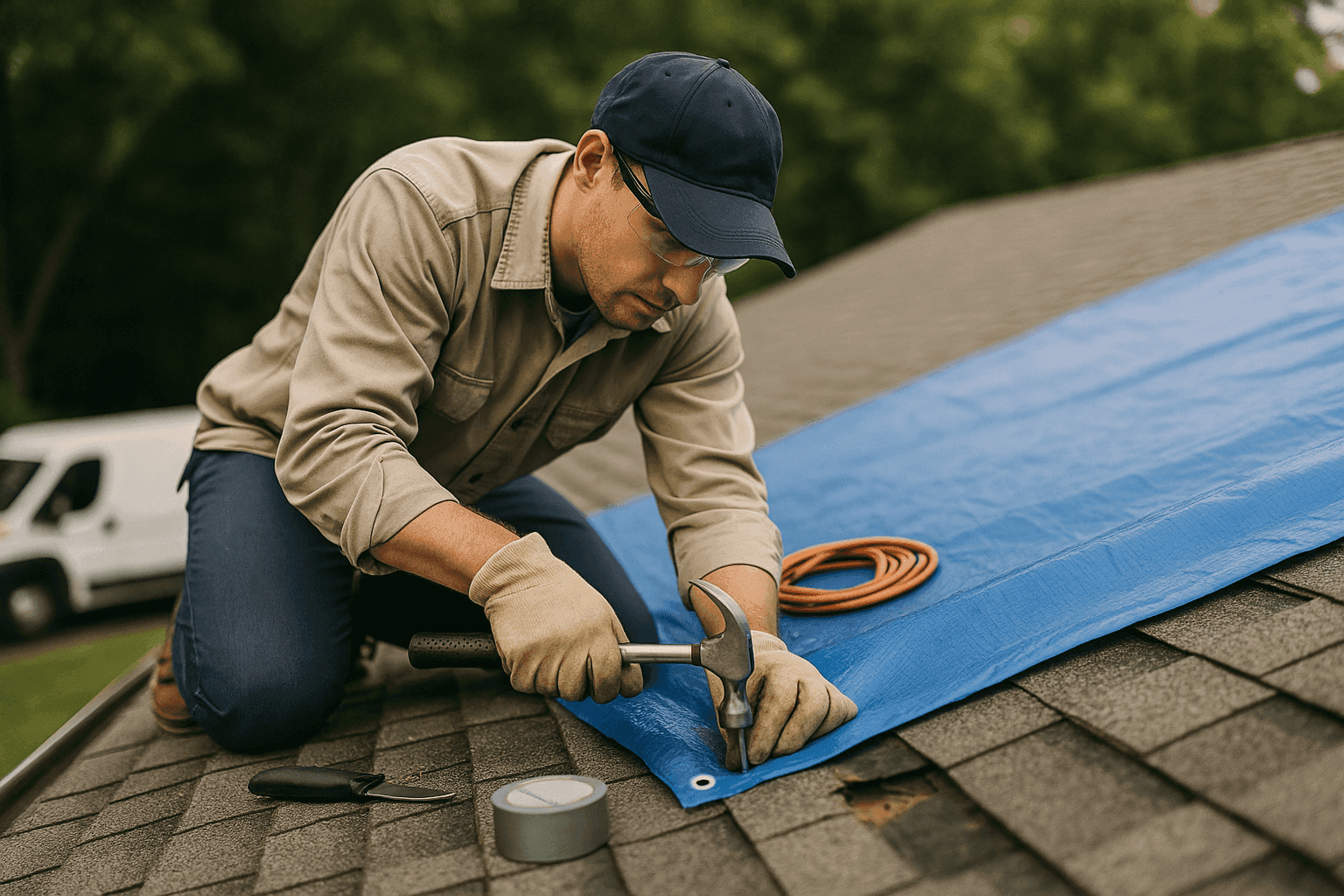
When a storm rips shingles off your roof or water starts dripping from the ceiling, panic can set in fast. You want to protect your family, your belongings, and your peace of mind. But rushing into a dangerous situation can turn a bad day into a disaster.
At Front Line Roofers, we know how stressful roofing emergencies can be. This guide will help you handle urgent roof repairs safely, buy time, and prevent further damage—until our team can step in and finish the job.
When the Sky Falls: Understanding Emergency Roofing Situations
Picture this: rain pours in through a broken skylight, or wind peels back shingles like the lid on a sardine can. In these moments, quick action matters. But safety should always come first.
Emergency roofing situations can include:
- Heavy leaks after a storm
- Missing or damaged shingles
- Branches or debris puncturing the roof
- Sagging or collapsing sections
- Exposed underlayment or decking
The first goal? Keep water out and everyone safe. The second? Prevent further damage until professional help arrives.
Quick Safety Checklist 🛑
Before you grab a ladder, take a breath. Ask yourself:
- Is the storm still active? Never climb on a wet, icy, or wind-blown roof.
- Are there visible power lines down or electrical hazards?
- Is water leaking near lights or outlets? If so, shut off power to affected areas.
- Is the ceiling sagging or bulging? Stay clear—collapse is possible.
- Do you have sturdy shoes, gloves, and eye protection?
- Is your ladder stable and placed on solid ground?
If you answer “no” to any of these, wait for professionals. According to the Occupational Safety and Health Administration (OSHA), falls are a leading cause of home repair injuries. No patch job is worth a trip to the emergency room.
Should You DIY or Call a Pro?
It’s tempting to “MacGyver” a fix with plastic sheeting or duct tape. Sometimes, a temporary patch is safe—other times, it’s not.
When DIY Is Possible
- The leak is small and easy to reach (like an attic drip).
- The weather is calm and dry.
- You have basic safety gear and a helper.
Temporary Fixes You Can Try:
- Place buckets or pots under drips to catch water.
- Use a plastic tarp and heavy boards to cover obvious holes (from the ground or attic if possible).
- Apply roofing tape or sealant to small cracks or holes—follow the product instructions carefully.
- Stuff towels or rags into gaps to slow leaks (as a last resort).
When to Call the Pros—Immediately
- The roof is steep, high, or slippery.
- There’s structural damage or a risk of collapse.
- Electrical hazards are present.
- You’re unsure what caused the damage.
- The weather is still dangerous.
If in doubt, always err on the side of caution. Front Line Roofers offers emergency roofing services 24/7 for exactly these situations.
What to Expect When Pros Arrive
When the cavalry (that’s us!) shows up, our first priority is your safety. Here’s what happens next:
- A thorough inspection from the ground and, if safe, on the roof.
- Emergency tarping or patching to stop leaks and protect your property.
- Documentation of damage for insurance claims.
- Recommendations for permanent repairs, which may include shingle replacement, structural repair, or even a new roof installation.
Our team follows guidelines from the National Roofing Contractors Association (NRCA) and OSHA to ensure every step is safe and up to code.
Prevention & Maintenance: Your First Line of Defense
An ounce of prevention beats a pound of buckets. Regular roof inspections and maintenance can catch small problems before they turn into emergencies.
Smart Maintenance Habits:
- Clean gutters and downspouts twice a year.
- Trim overhanging branches.
- Check attic insulation and ventilation to prevent ice dams.
- After storms, look for missing shingles or flashing.
- Schedule annual professional inspections.
The International Association of Certified Home Inspectors recommends checking your roof every spring and fall.
Costs & Time Factors: What to Expect
Emergency roofing costs depend on the damage, materials, and timing. Temporary fixes are usually less expensive than full repairs, but they’re not a long-term solution.
Factors that affect cost and repair time:
- Severity and location of the damage
- Type of roofing material (shingle, metal, tile, flat, etc.)
- Accessibility of the damaged area
- Weather conditions
Temporary tarping or patching may take an hour or two. Permanent repairs can range from a few hours to several days, depending on the scope.
Remember: waiting can make things worse—and more expensive.
When It’s Truly an Emergency 🚨
Some situations require immediate action, no matter the hour:
- Water pouring through the ceiling, risking electrical damage
- Roof collapse or severe sagging
- Large sections of missing roof after a storm
- Fire or structural impact (like a fallen tree)
In these cases, evacuate the area, call emergency services if needed, and contact Front Line Roofers for rapid response. Your safety is always the top priority.
FAQ: Emergency Roofing Questions
How do I know if my roof damage is an emergency?
If water is entering the home, the roof is unstable, or there’s a risk to people or property, it’s an emergency. Minor leaks or a few missing shingles can usually wait for daylight, but never ignore active leaks or structural issues.
Is it safe to walk on my roof after a storm?
Not always. Wet, damaged, or debris-covered roofs are slippery and unstable. If you’re unsure, stay off the roof and call a professional.
What materials should I keep on hand for emergencies?
A heavy-duty tarp, roofing nails, duct tape, buckets, and a sturdy ladder can help with temporary fixes. Always use safety gear.
Will insurance cover emergency repairs?
Most policies cover sudden, accidental damage from storms or falling debris. Document everything with photos and receipts, and contact your insurance provider promptly.
Special Considerations for Emergency Roofing
Every roof and situation is unique. Flat roofs may require different patching methods than steep shingle roofs. Skylights, chimneys, and flashing are common leak points—handle with care. For commercial properties, protecting inventory and equipment is often as urgent as stopping the leak itself.
Never attempt repairs during lightning, high winds, or when the roof is icy. And remember, some repairs (like structural fixes or electrical work) should always be left to licensed professionals.
Emergencies don’t wait. Neither do we. If the sky opens up or your roof lets you down, take a deep breath, follow these steps, and let Front Line Roofers handle the rest.
Call Front Line Roofers now — or reach us anytime at 877-978-3339 .