How to Extend Your Roof’s Lifespan: Essential Maintenance Tips
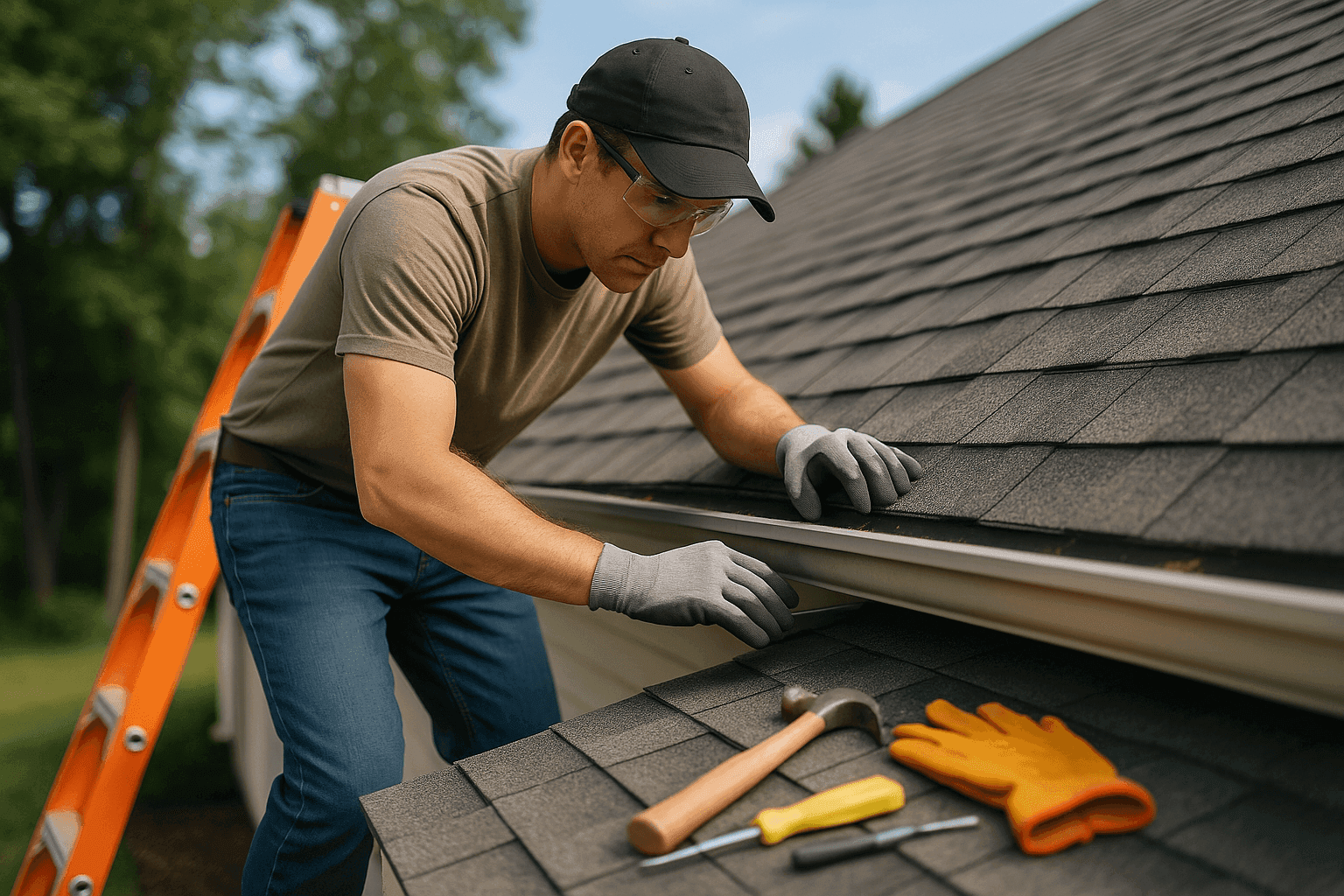
Is your roof just another thing you hope never to think about? Many homeowners and business owners feel the same way—until a leak, storm, or sudden emergency makes the roof the center of attention. At Front Line Roofers, we know a well-maintained roof is your first line of defense against the elements and unexpected costs.
A little attention now can mean big savings later. Roof maintenance isn’t just about keeping up appearances—it’s about protecting your investment, your safety, and your peace of mind.
Why Roof Maintenance Matters
Think of your roof as a helmet for your building. It shields everything beneath it. Over time, even the toughest helmet needs a tune-up. Small problems—like a loose shingle or clogged gutter—can grow into major headaches. Regular maintenance helps you spot these issues before they become emergencies.
With emergency roofing services available 24/7, Front Line Roofers has seen firsthand how a neglected roof can lead to costly repairs or even structural damage. Staying proactive means fewer surprises and more control over your budget.
Seasonal Roof Maintenance Tasks 🍂
Every season brings new challenges for your roof. Here’s how to keep your roof in top shape, no matter the weather.
Spring
- Inspect for winter damage: Look for missing shingles, cracked tiles, or loose flashing.
- Clean gutters and downspouts: Remove leaves, twigs, and debris to prevent water buildup.
- Check attic ventilation: Proper airflow keeps moisture and mold away.
Summer
- Look for sun damage: Shingles can warp or crack under intense heat.
- Trim overhanging branches: Prevent falling limbs during summer storms.
- Inspect sealants and coatings: UV rays can break down protective layers.
Fall
- Clear gutters again: Falling leaves are the main culprit for clogs.
- Check for animal nests: Birds and rodents love cozy roof corners.
- Inspect flashing: Make sure it’s tight around chimneys, vents, and skylights.
Winter
- Watch for ice dams: Ice buildup can force water under shingles.
- Remove heavy snow: Use a roof rake to prevent sagging or collapse.
- Look for leaks: Inspect ceilings and attic for water stains after storms.
Common Roof Issues to Watch For 🔍
Even the sturdiest roofs have weak spots. Here are the most common problems to keep on your radar:
- Leaks: Water stains on ceilings or walls often signal trouble above.
- Damaged shingles or tiles: Look for curling, cracking, or missing pieces.
- Flashing problems: Loose or rusted flashing can let water sneak in.
- Gutter and downspout issues: Overflowing or sagging gutters can damage both roof and foundation.
- Ventilation and insulation gaps: Poor airflow can lead to mold, rot, and higher energy bills.
Spotting these early can mean the difference between a quick fix and a major overhaul.
DIY vs. Professional Maintenance
Some roof care tasks are as simple as cleaning your gutters or spotting a missing shingle. Others—like repairing flashing or climbing steep pitches—are best left to professionals. Here’s how to decide:
DIY Tasks
- Cleaning gutters and downspouts
- Visual inspections from the ground
- Trimming nearby tree branches
- Checking for obvious debris or damage
Call a Pro When…
- You notice leaks, water stains, or sagging areas
- Shingles or tiles are missing, cracked, or curling
- Flashing around chimneys, vents, or skylights looks loose or rusted
- You see mold, moss, or algae growth
- Your roof is steep, high, or difficult to access safely
Front Line Roofers is available 24/7 for emergency roofing needs and routine inspections. Our team is trained to spot hidden issues before they become disasters.
Tools and Materials for Routine Care 🧰
Staying on top of maintenance doesn’t require a hardware store’s worth of gear. Here are the basics:
- Ladder: Sturdy, non-slip, and tall enough for safe access
- Work gloves and safety glasses: For protection from debris and sharp edges
- Roof rake: Especially useful for snow removal
- Gutter scoop: For clearing out leaves and sludge
- Sealants and coatings: Use products rated for your specific roof type (check manufacturer guidelines)
- Moss and algae remover: Keeps surfaces clean and safe
- Binoculars: For safe, ground-level inspections
Always follow safety guidelines from organizations like OSHA when working at heights.
How to Identify Early Signs of Roof Damage
Catching problems early is key. Here’s what to look for during your regular checks:
- Ceiling stains or bubbling paint: Water may be seeping in from above.
- Granules in gutters: Asphalt shingles shed granules as they age.
- Visible sagging: Indicates possible structural issues.
- Unusual sounds: Creaking or dripping can signal trouble after a storm.
If you’re unsure, schedule a professional inspection. A trained eye can spot issues you might miss.
Scheduling Professional Inspections
Even diligent DIYers benefit from a pro’s perspective. The National Roofing Contractors Association recommends a professional inspection at least twice a year—ideally in spring and fall. This helps catch seasonal wear and tear before it snowballs.
Front Line Roofers offers detailed inspections for both residential and commercial roofs. Our team checks everything from shingles to skylights, gutters to decking, ensuring nothing slips through the cracks.
Preventative Maintenance: Tips for a Longer-Lasting Roof
- Keep gutters and downspouts clear: Water should flow freely, not pool or overflow.
- Trim trees regularly: Prevent branches from scraping or falling on your roof.
- Check attic insulation and ventilation: Good airflow prevents moisture buildup and extends roof life.
- Apply sealants and coatings as needed: Follow manufacturer guidelines for your roof type.
- Fix small problems fast: A loose shingle today can mean a leak tomorrow.
- Schedule regular inspections: Professional eyes catch what you might miss.
Eco-Friendly Roof Maintenance Options 🌱
Sustainable choices can benefit both your roof and the environment:
- Reflective coatings: Reduce heat absorption and lower cooling costs.
- Recycled shingles or metal roofing: Durable and environmentally friendly.
- Natural ventilation solutions: Lower energy use and improve indoor air quality.
Ask your roofing professional about green options that make sense for your property.
When to Call for Emergency Roofing Services
Some situations can’t wait. Call Front Line Roofers immediately if you notice:
- Sudden leaks during or after a storm
- Large sections of missing or damaged shingles
- Structural sagging or collapse
- Water pouring through ceilings or walls
- Smoke or fire damage
Our emergency roofing team is available 24/7 to handle urgent repairs and prevent further damage.
Frequently Asked Questions
How often should I have my roof inspected?
The National Roofing Contractors Association recommends twice a year—usually in spring and fall. Additional inspections are smart after severe storms.
What’s the best way to prevent roof leaks?
Keep gutters clean, check for damaged shingles, and inspect flashing regularly. Address small issues promptly to avoid bigger problems.
Can I walk on my roof to check for damage?
It’s safer to inspect from the ground with binoculars. Walking on your roof can be dangerous and may cause more harm than good. Leave close-up inspections to professionals.
How long does a typical roof last?
With regular maintenance, many roofs last 20–30 years or more. The exact lifespan depends on materials, weather, and upkeep.
Special Considerations for Commercial and Residential Roofs
Both homes and businesses benefit from regular roof care, but there are some differences:
- Commercial roofs: Often flat, requiring special attention to drainage, sealants, and coatings.
- Residential roofs: Pitched roofs are more prone to shingle or tile damage from wind and debris.
- Skylights, chimneys, and vents: These features require careful inspection and maintenance to prevent leaks.
Front Line Roofers is experienced with all roof types—shingle, tile, metal, flat, and more. Our team understands the unique needs of both residential and commercial properties.
A little prevention goes a long way. Protect your property, save money, and avoid emergencies with regular roof maintenance. Call Front Line Roofers now — or reach us anytime at 877-978-3339 .